
Do You Really Need a Pre-Drywall Inspection for a New Construction Home?
TL;DR
- A pre-drywall inspection happens after framing, wiring, and plumbing are installed but before drywall covers them.
- It gives you a chance to see structural and mechanical components while they are still accessible.
- A private inspection looks beyond basic code compliance to identify construction issues that may need attention.
- Common findings include missing nail plates, loose pipes, misaligned framing, and poorly sealed ductwork.
- Catching these issues before drywall goes up can make repairs easier, less disruptive, and less costly.
Building a new home feels safer than buying a resale. Everything is new, so what could go wrong? Quite a lot, actually. New construction still involves dozens of workers, tight schedules, and plenty of room for human error. A pre-drywall inspection is your one chance to catch those errors before they get sealed behind walls for good.
What Is a Pre-Drywall Inspection?
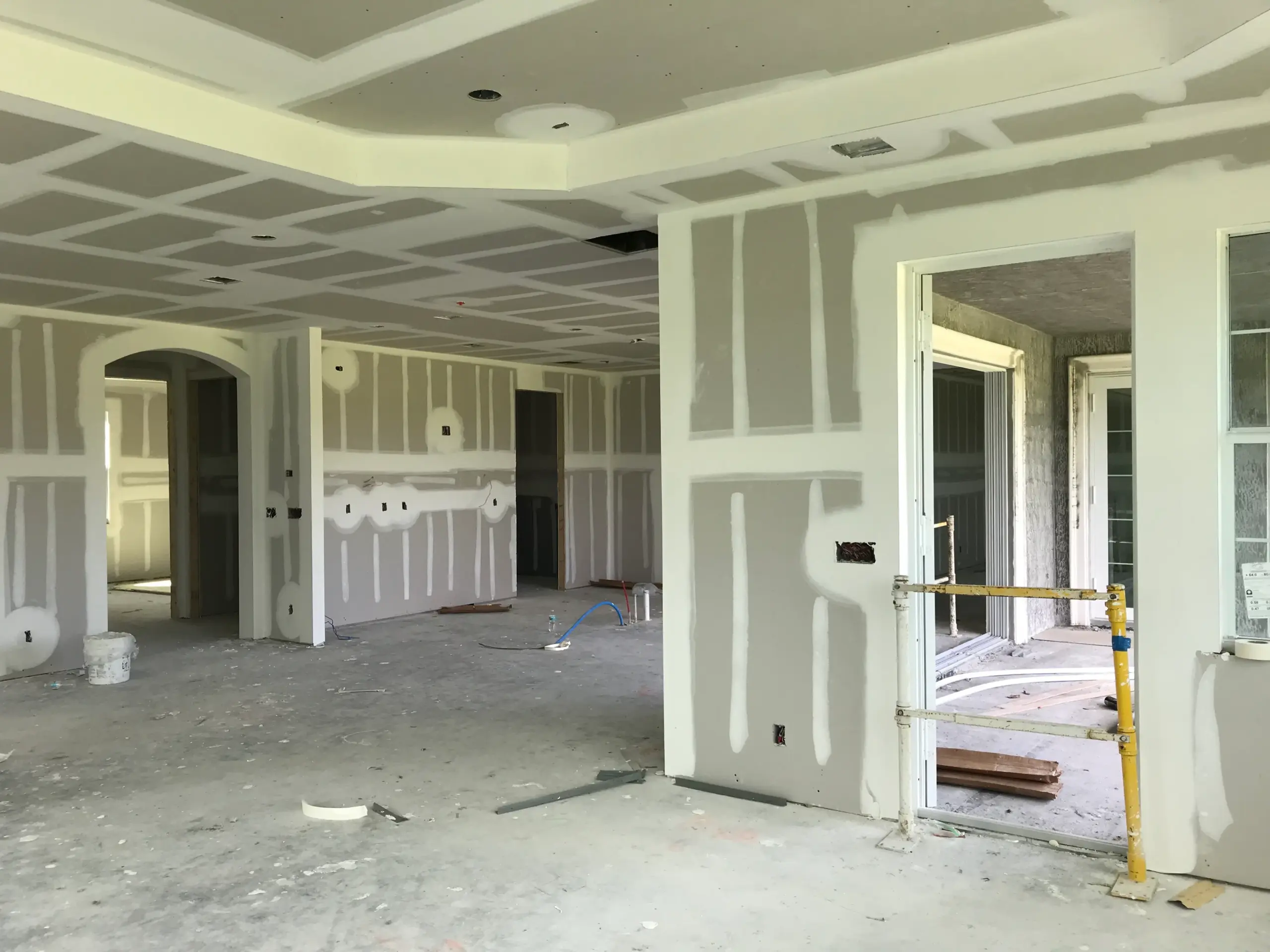
A pre-drywall inspection happens at a specific point in the build. According to InterNACHI, it takes place right after the doors, windows, foundation, flooring, wall and roof framing, and plumbing and electrical rough-in are installed, but before the drywall goes up. For a short window, usually just a few days, an inspector can see every part of the home’s structure and systems that will soon be hidden forever.
Once drywall is up, most of what is behind it stays out of sight for the life of the home. If a plumbing joint leaks or a beam is installed incorrectly, nobody will know until it causes a visible problem, and by then, fixing it means tearing into finished walls.
What Does the Inspector Actually Check
A pre-drywall inspection covers the parts of the home that will soon be invisible. Here is a general breakdown of what inspectors typically review:
| Area | What Gets Checked |
| Framing | Wall alignment, spacing, fasteners, load-bearing beams, roof trusses, floor joists |
| Plumbing | Pipe joints and fittings, drain line slope, water supply lines, shower pan sealing |
| Electrical | Wire routing, secure connections, outlet and switch placement |
| HVAC | Ductwork alignment, sealing, vent placement, airflow balance |
| Windows and Doors | Square and level frames, flashing, sealants to prevent moisture intrusion |
| Insulation | Even coverage, no gaps, correct R-value for the climate |
Checklists can vary by inspector and region, but they cover the core systems.
Why This Inspection Matters More Than People Think
Some buyers assume that county building inspectors already check all of this. It is true that local code inspectors sign off on framing, plumbing, and electrical work at various stages. But code inspectors check for minimum code compliance.
A private pre-drywall inspection works for you. Once the walls are closed up, even a small fix like moving an outlet a few feet turns into a much bigger job.
What Happens If You Skip It
If you skip the pre-drywall stage, you are relying entirely on the builder’s internal quality control and the county inspector’s code check. Most of the time, that is enough. But construction sites move fast, and mistakes happen. Framing gets built slightly out of plan. A duct gets crushed during installation. A pipe joint gets missed during a rushed rough-in day.
Without a pre-drywall inspection, these issues surface later, sometimes years later, as a mysterious leak, a cold room that never heats properly, or a wall that develops a crack. At that point, fixing the problem means opening up finished drywall, which adds cost, mess, and delay that could have been avoided.
Common Issues a Pre-Drywall Inspection Reveals
Even on well-managed builds, pre-drywall inspections regularly uncover problems. Some of the most frequent findings include:
- Missing nail plates over wiring or plumbing lines, which can lead to punctures if a nail or screw is later driven through the wall.
- Loose or poorly secured pipes that can rattle, leak, or wear out faster than properly supported ones.
- Misaligned framing, which can cause uneven walls or doors that never quite close right.
- Poorly sealed duct connections, which let conditioned air escape into wall cavities instead of the rooms it’s meant to heat or cool.
- Twisted or overly tight flex ducts, which restrict airflow and make HVAC systems work harder than they should.
Catch Problems Early with a Pre-Drywall Inspection
A pre-drywall inspection isn’t mandatory when buying a new construction home, but it may be one of the most valuable steps. It is the only point in the process where you can actually see the framing, plumbing, wiring, and HVAC systems that will support your home for decades.
If you are building a new home, schedule a pre-drywall inspection with HomePro Chesapeake Home Inspections. This one simple step can help to protect your investment before it disappears behind a wall.


