
How to Test for Hidden Mold Inside Your Home
Quick Answer
When testing for mold, start with moisture issues. Spot any visible or hidden leak. Ask professionals to detect hidden leaks. Advanced equipment like thermal imaging can help spot the problem.
A musty smell that won’t go away, paint that keeps peeling, or a water stain that reappears after cleaning can all point to a moisture problem. But what happens when you can’t see where it’s coming from?
Mold can develop in concealed areas, including behind drywall, beneath flooring, and around plumbing leaks. The challenge is that visible warning signs don’t always show whether mold is present or how extensive the problem is.
That’s where knowing how to test for hidden mold becomes useful. Here’s how to investigate suspicious areas without guessing.
What Are the Signs of Hidden Mold?
The following are the key signs every homeowner should look at:
1. Smells and Stains
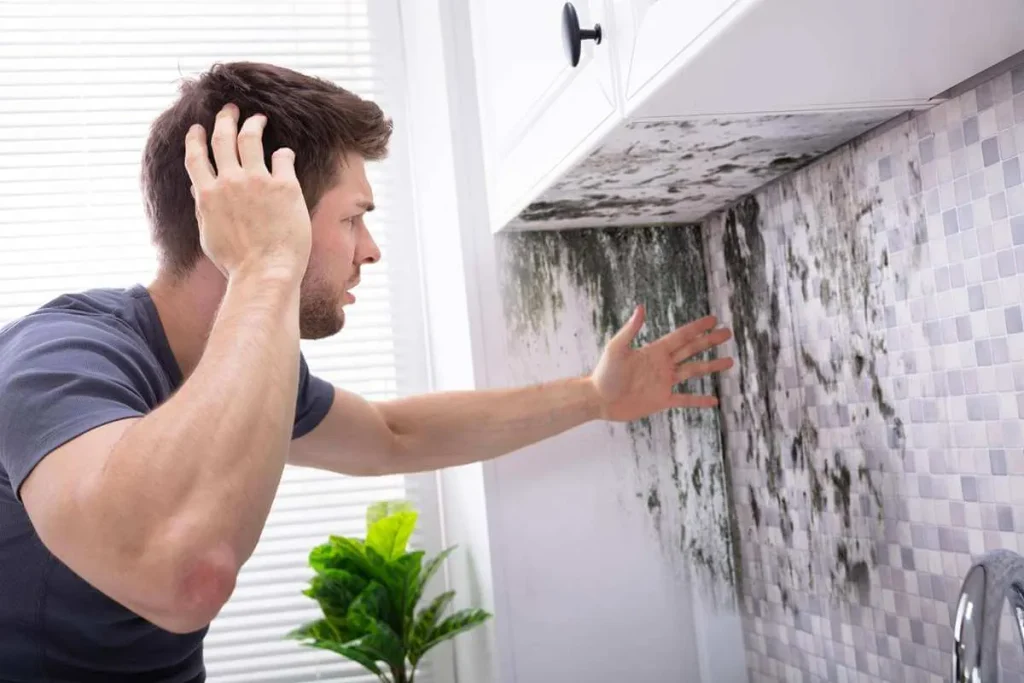
A musty, earthy smell is the classic sign. It often gets stronger when a room has been closed up for a while. Watch for ceiling stains, brown rings on walls, and dark patches near windows. If a stain returns after cleaning, the moisture source is still active.
2. Changes to Paint, Wallpaper, & Floors
Bubbling paint and peeling wallpaper mean the drywall behind them is damp. Warped baseboards and buckled boards also point to moisture. Walls that feel cool and slightly damp to the touch deserve a closer look.
3. Condensation High Humidity
Windows that fog up often indicate too much moisture in the air. Bathrooms without a working exhaust fan are common culprits. Basements and laundry rooms with poor airflow are, too.
4. How You Feel at Home
Sensitive people can notice symptoms like a stuffy nose, wheezing, or itchy eyes and skin. The CDC lists these as possible reactions to mold. Mention symptoms that ease when you leave the house and return when you come back to your doctor. Keep in mind that these signs don’t prove mold is there. Many things can cause the same symptoms.
How to Detect Hidden Mold?
To detect hidden mold in your home, start with a moisture meter to see whether your home has high moisture content. There are two ways to test for mold:
1. DIY Test for Mold
DIY kits work well when you have a visible stain you want identified or when checking a small, localized area after a minor sink spill. Here’s what you need to do:
- Use surface swabs and tape lifts to collect samples of suspicious dust or stains. Send your sample to an independent laboratory for testing.
- Buy moisture meters and scan suspicious baseboards or subflooring for dampness.
2. Professional Mold Testing
For deeper problems and a detailed assessment, you should get a professional mold inspection. Certified inspectors use advanced diagnostic equipment to evaluate the home:
- They collect air and surface samples and send them to an independent laboratory for species identification.
- Infrared thermal imaging detects leaks behind surfaces.
Inspectors also provide recommendations to prevent future mold issues. Understanding the practical trade-offs helps you decide which testing path fits your home’s situation:
| Feature | DIY Mold Testing Kits | Professional Mold Inspection |
| Target Area | Single room or visible surface spot | Whole home, wall cavities, & HVAC |
| Accuracy & Context | High rate of false positives (no baseline control) | Highly accurate (includes outdoor control samples) |
| Moisture Source Finding | Limited (requires buying your own meter) | Advanced (thermal imaging + dual meters) |
| Actionable Report | Raw lab results with little guidance | Detailed remediation plan & cause analysis |
Take Action to Keep Your Indoor Air Clean
To protect your home from hidden mold growth, stay vigilant about moisture. Cleaning mold without stopping the leak just invites it back. Watch for key warning signs of a mold infestation.
Once you notice signs of mold, book your inspection as soon as possible. Contact HomePro Chesapeake Home Inspections for professional mold testing, a detailed report, and tips to prevent future issues.
Frequently Asked Questions About Mold Testing
1. Can I test for mold behind walls without cutting into the drywall?
Yes, inspectors use advanced tools like infrared thermal imaging cameras and wall-cavity air-sampling tubes to detect dampness and airborne spores behind drywall without opening large holes.
2. Is DIY mold testing accurate?
DIY home test kits can confirm if mold spores exist, but because mold spores naturally float in all indoor and outdoor air, petri dish kits almost always grow mold. They rarely provide the context or outdoor baseline needed to determine if you have an active, dangerous indoor problem.
3. How much moisture in drywall is too much?
Under normal indoor conditions, drywall should ideally register between 5% and 12% moisture content. Anything reading consistently above 15% indicates a moisture problem that requires immediate attention to prevent fungal growth.
4. Should I test for mold before buying a home?
Yes, especially if the house has a history of water leaks or a lingering musty smell. Adding a specialized mold inspection to your standard pre-purchase inspection can protect you from costly remediation bills after closing.


