
Why Is a Structural Inspection in Annapolis, MD Essential Before You Buy?
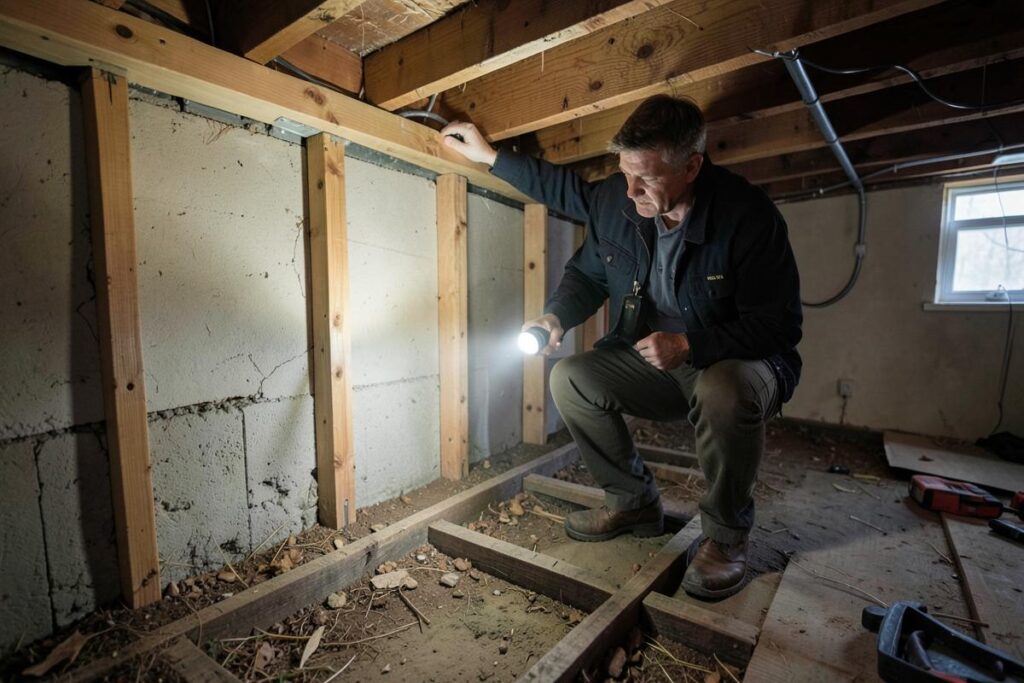
A structural inspection in Annapolis, MD is essential before buying because local homes face constant stress from shifting Coastal Plain soil, hydrostatic pressure, and rising Chesapeake Bay tides. Evaluating the foundation, sill plates, joists, and roof framing uncovers hidden moisture rot and active settling early.
Fall in love with a brick colonial near Ego Alley or an Eastport cottage, and it is easy to ignore what sits beneath your feet. Pretty views distract smart buyers fast.
Between Annapolis’s centuries-old waterfront history, fluctuating Chesapeake tides, and shifting coastal soil, even the most charming property can hide serious movement behind freshly painted drywall and staged living rooms.
What looks like minor historic character on a Sunday afternoon walkthrough often turns into moisture-weakened framing or settling masonry once you look below the floorboards.
Here is why a structural inspection in Annapolis, MD, matters, how local soil and tides punish houses, and how to dodge brutal repair bills.
Why Is Structural Inspection So Important Around the Chesapeake Bay?
Annapolis homes fight damp Coastal Plain soil, hydrostatic pressure, and rising Bay tides every single week. Recognizing the importance of structural inspection starts with realizing the ground beneath your house moves.
According to NOAA nuisance flooding data, Annapolis and Baltimore top the nation with over 920 percent more high-tide flood days since the 1960s. High tides push brackish water straight toward waterfront footings along Spa Creek, Back Creek, and the Severn River.
Meanwhile, the earth is dropping. A U.S. Geological Survey circular shows land subsidence causes over half of local sea-level rise, mostly from groundwater pumping compacting deep clay layers underground.
Water rises. Ground sinks. Your foundation sits in the middle.
What Happens When Homebuyers Skip a Structural Inspection?
Waiving your inspection to win a bidding war in competitive neighborhoods like West Annapolis or Murray Hill hands every hidden structural bill straight to you. Once closing wraps up, the seller walks away while you cover the damage.
Annapolis saw this exact battle play out right on City Dock. Years of chronic tidal flooding and ground saturation wrecked the historic 1880s Captain William H. Burtis House so badly that preservation crews had to physically elevate the waterman’s cottage and rebuild its compromised foundation.
Across Anne Arundel County, we regularly see waterfront buyers discover five-figure sill rot and differential settlement just months after waiving contingencies. Fresh paint hides plenty, and you cannot fix saturated framing with a gallon of white paint.
What Does a Structural Inspection in Annapolis, MD Actually Catch?
A structural inspection in Annapolis, MD evaluates your home’s accessible load-bearing frame from basement footings to roof rafters. During our visual, non-invasive evaluation, we separate harmless cosmetic settling from active structural failure and clearly tell you when findings warrant bringing in a licensed Professional Engineer (P.E.) for invasive testing or stamped repair plans.
| Area Checked | Local Annapolis Risk | Common Red Flag |
| Foundation Walls | Hydrostatic pressure and shifting clay | Horizontal cracks, bowing, or spalling brick |
| Sill Plates & Joists | Damp Bay crawl space air | Soft wood, fungal rot, or rusted fasteners |
| Roof & Attic | Coastal nor’easter gusts and DIY cuts | Sagging ridge beams or split rafters |
| Yard Grading | Heavy storms on flat Coastal Plain lots | Water pooling directly against the masonry |
Sellers rarely crawl under their own porches. In the field, we routinely use pinless moisture meters and high-output inspection lights in tight Eastport and downtown crawl spaces to catch dampness before it destroys the framing.
Moisture ruins wood quietly. The U.S. EPA’s mold and moisture guide notes that trapped dampness can grow mold in 24 to 48 hours and rot structural lumber from the inside out.
Are Historic Downtown Homes Riskier Than Newer Builds?
Historic downtown houses boast dense old-growth lumber, yet their shallow brick foundations and soft lime mortar suffer from salt efflorescence and tidal wicking. Meanwhile, newer subdivisions around Riva or Parole sometimes rush lot drainage and grading. Neither escapes Anne Arundel County’s shifting soil.
Watch for three clues during your tour:
- Sticking doors or windows that jam when Bay humidity spikes.
- Stair-step cracks cutting across exterior brick mortar joints.
- Bouncy floors over crawl spaces (especially near bathrooms and exterior walls).
How Should You Use a Structural Inspection in Annapolis, MD Before Closing?
Protect your wallet by keeping an inspection contingency in your offer and scheduling a structural inspection in Annapolis, MD, right away. Solid facts, backed by moisture readings and clear photos, let you request seller repairs, negotiate closing credits, or walk away before you risk your earnest money.
Do not let market urgency rush a six-figure decision.
Schedule Your Home Inspection Today
Buying a home should feel exciting, not risky. Book your structural inspection in Annapolis, MD, with HomePro Chesapeake Home Inspections before your contingency window closes.
We serve buyers across Annapolis, Anne Arundel County, and the Eastern Shore with straight answers and clear reports you can take straight to the negotiating table.
Leave the guesswork behind and call us today or schedule your appointment online in minutes. Walk into closing day knowing your Annapolis home stands on solid ground.
FAQs
1- Does a standard home inspection check structural framing?
Yes. Under Maryland home inspection standards, a qualified inspector evaluates accessible foundations, beams, floor joists, and attic framing. Make sure your inspector enters the crawl space rather than peeking from the hatch, and flags any severe movement for a licensed structural engineer.
2- How long does a structural inspection in Annapolis, MD, take?
Plan on two to four hours, depending on the home’s size and age. Historic waterfront homes near downtown or Eastport often take longer due to tight crawl spaces, additions, and multi-layered masonry.
3- Can I still buy a home with foundation cracks?
Often, yes. Hairline vertical concrete shrinkage is normal, while wide horizontal cracks, bowing walls, or crumbling lime mortar call for a structural engineer’s evaluation and repair estimate before you commit.
4- Should newly built Annapolis homes still get inspected?
Definitely. New construction in Anne Arundel County often hides rushed framing, missing joist hangers, and poor yard grading that sends Chesapeake storm runoff straight toward the foundation.


